  • SUBCOGNITIVE PREDICTION RECALIBRATION™

    ADVANCED INTROCEPTION TRAINING FOR HIGH-STRESS PROFESSIONALS

    The pressure ends.
    ​Your reactions don't.

    You see the cost at home: the people closest to you pull away, trust erodes, and the person you never wanted to become shows up in the moments that matter most.

    How much of the life you've worked so hard to build will you sacrifice before something changes?

Stop managing your reactions. Change what drives them.

Subcognitive Prediction Recalibration™ (SuPR™) is a neuroscience-based online training that uses advanced interoceptive techniques to recalibrate the subconscious predictions driving your reactions.

The result is greater emotional balance, a stronger sense of self-worth, and more secure relationships without relying on willpower or constant self-control.

Originated by Mignon Walker, MD, a Stanford University School of Medicine and USC-trained physician.

Your stress problem is a prediction problem.

Years of insight, discipline, communication skills, and coping strategies can leave you remarkably capable when life is calm. Under pressure, your brain doesn't defer to what you've learned. It defaults to the reaction it predicts will minimize threat and pain.

    On the job, that prediction keeps you sharp. The problem is that your nervous system stays hypervigilant even after the pressure ends.

    The reaction begins faster than a blink and faster than conscious thought. It is driven by your subconscious predictions, not by what you consciously know or intend.

    You cannot think your way out of a reaction driven by a prediction.

    You can know exactly what you want to do and still be unable to do it when it matters most.

    When pressure returns, the prediction behind the reaction is still in place, so it activates the same pattern despite everything you've learned and every effort you've made to change.

    Understanding a pattern does not mean you can stop it.

    couple feeling tense, misunderstood, and frustrated

    Choose your target.

    service member feeling stress and overwhelm

    RECOVER VS RECALIBRATE

    Coping skills work after a reaction starts and assume it is unavoidable. SuPR™ training works on the subcognitive prediction that triggers your reactivity. When the trigger loses its charge, the reaction does not start, and there is no need to cope.

    nurse sitting alone feeling overwhelmed

    EFFORT VS EASE

    Managing reactions takes constant effort: bracing, holding back, cleaning up afterward. When the prediction changes, steadiness becomes your default in the boardroom, the operating room, the field, and at home after the shift.
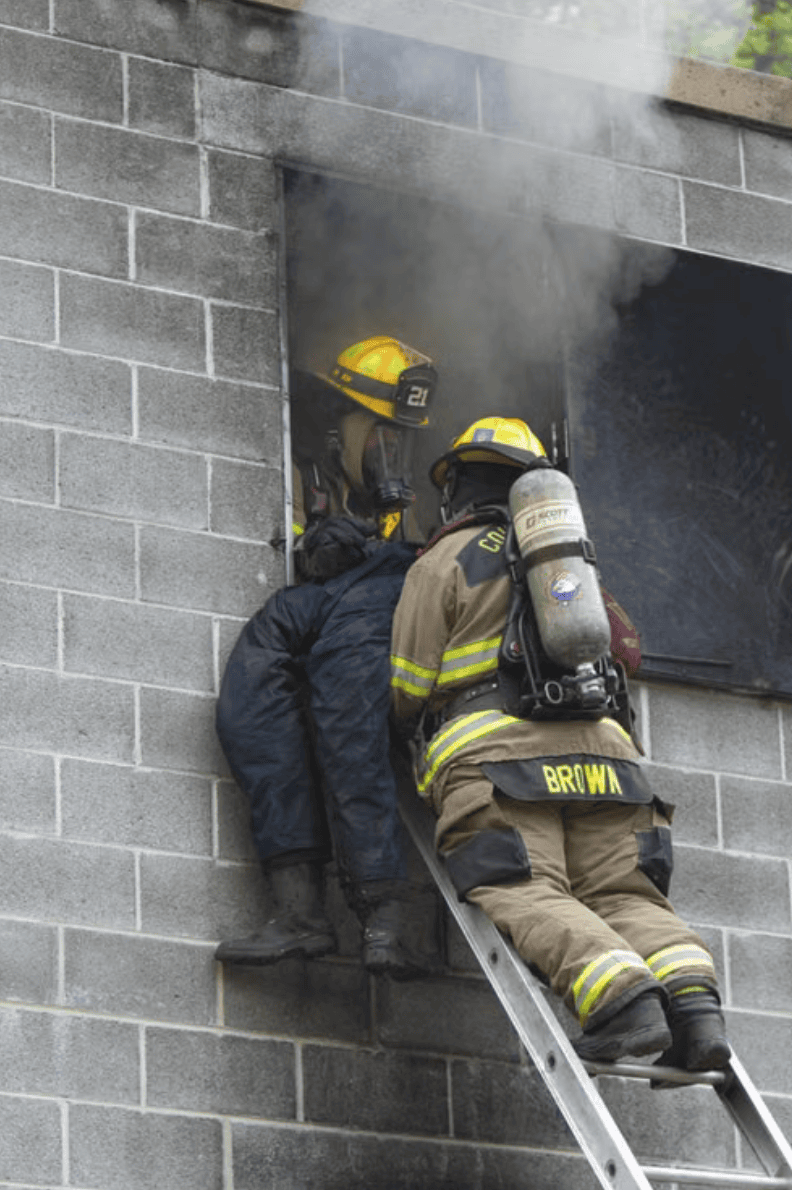
    firefighters rescuing a victim of smoke exposure

    PAST VS FUTURE

    Old predictions are built from the past. As they change, old triggers lose their grip, leaving you steady under pressure, secure in yourself, and able to protect the relationships and the life you've built.

    Old predictions make today's decisions.

    couple not communicating and distant

    Your predictions are built from past experiences. Your brain automatically selects the reactions that have kept you safe before.

    Intense experiences alter your predictions, and responses from the past are not always suited to the present.

    Reactivity does not stay at work. It follows you into conversations that matter, decisions that carry consequences, and the relationships you hope to keep.

    You may have felt anger spike without warning, thoughts race when you want to sleep, conflict feel unavoidable, or your judgment waver when a difficult choice is yours to make.

    If your situation is overwhelming, your nervous system may shut down instead. For example, you may feel numb during an uncomfortable conversation or distant from the people you care about. You may find yourself reaching for a drink, a screen, or more work to avoid the feelings.

    The circumstances differ, but the same automatic reactions return, often when the stakes are highest.

    SuPR™ training is for people who want more than stress management. It works at the root, where subconscious predictions set off emotional reactions, persistent stress patterns, and relationship strain before conscious control can step in.

    Why What You've Tried Hasn't Held

    Most approaches ask your conscious mind to do the work: talk it through, reframe it, breathe through it, remember the skill in the moment. Under pressure, the reaction arrives first.

    SuPR™ training asks something different of you. You do not need to retell what happened. The work uses the emotions, feelings, and body sensations attached to experience, not the story. There is no diagnosis, no daily practice to maintain or skill to rehearse. You don't have to remember a technique in the middle of a hard moment.

    man sitting on the edge of the bed, stressed, while his partner lies turned away

    It is also different in what changes. Clients describe fewer triggers, faster recovery, steadier confidence, a quieter inner critic, and more secure connection. They are not managing reactions better. They have fewer, less intense reactions.

    Subcognitive Prediction Recalibration™ training can stand alone or complement the care you already have. 

    You built the life. It’s time to enjoy it.

    executive team celebrating success

    You know what you're capable of. You know the person you want to be.

    The goal is access to that version of yourself when it counts, not only when life is easy.

    female executive working from car

    WORK

    Stay clear-headed when the stakes are high. Trust your judgment, decide without second-guessing, and perform at the level you know you can reach, whether you lead a company, a care team, or a crew in the field.

    Couple laughing together while playing pickleball

    PLAY

    Be present instead of preoccupied. Relax without bracing for the next problem. 


    Enjoy pleasure without guilt or the nagging sense that something needs your attention.

    family laughing with each other after dinner

    BOND

    Enjoy the relationships you've invested in. 


    Stay connected when emotions run high, feel secure without constant reassurance, and recover fast enough that stress does not derail your day.

    What if the change you want is closer than you think?

    You've spent years becoming who you are. You don't have to spend the rest of your life fighting the parts of yourself that get in the way.

    Advanced interoception training is built for specific, lasting change in how you respond to pressure, to the people you care about, and to yourself. Most clients complete the training in 10 to 20 sessions. Results reflect completed sessions.

    Find out what real change feels like.

    Questions From People In High-stress Professions

    Chronic stress can make your nervous system hypervigilant. It strengthens the brain's threat-detection circuitry and weakens the regions that support logic and problem-solving.

    Leaving work doesn't tell your brain the threat has passed. If your subconscious predictions still anticipate criticism, judgment, or confrontation, your nervous system stays on alert through dinner, conversations, and sleep. Rest and routines can help for a while, but the same reactions return until those predictions change.

    SuPR™ training recalibrates those predictions, so you can stand down when the work is done.

    Over time, with sustained pressure and stress, your brain changes.

    As a result, your brain keeps predicting threat after the workday ends, so ordinary moments at home can register as one more demand. The reaction begins faster than conscious thought, which is why it shows up even with the people you most want to protect.

    SuPR™ training targets the predictions that determine the reaction. Clients describe old triggers no longer firing in situations that previously caused a reaction. When they do become triggered, the reactions are less frequent, less intense, and quicker to resolve on their own.

    Shutting down comes from the same protective prediction as snapping, running in the other direction. 

    When your brain predicts more demand than you can meet, it shifts your neurochemistry, and you may feel flat, distant, numb, or even outside your body.

    SuPR™ training recalibrates the prediction that leads to the shutdown, so emotions no longer build to overwhelm and you can remain present, focused, and engaged.

    SuPR™ training is an online, nonmedical, interoceptive nervous system reset.

    SuPR™ is an online, nonmedical training that uses advanced interoceptive techniques to recalibrate the subconscious predictions behind automatic reactions under pressure. Think of it as a nervous system reset that works below the level of conscious effort.

    The difference is the focus: recovery after being triggered, or prevention of old triggers that derail your efforts.

    Stress management, coaching, and skills training help you recover after a reaction starts. SuPR™ training works on the predictions that activate the reaction in the first place, so old triggers no longer fire.

    SuPR™ training is not resilience training.

    Resilience training builds your capacity to handle reactions. Subcognitive Prediction Recalibration™ training changes the subconscious predictions that create them, so there is less to handle.

    No.

    SuPR™ training is not a medical or psychotherapy service, and practitioners do not diagnose, treat, or give medical advice.

    No diagnosis is required, and you do not need to describe your stressors in detail.

    No.

    The work uses the emotions, feelings, and body sensations associated with experience, not the story. You do not need to retell private details, or even have a specific memory, to begin. Difficult experiences are not approached until you are familiar with the training.

    Yes.

    Subcognitive Prediction Recalibration™ training can stand alone or complement the care you already have. It does not replace medical or mental health care, and any change to your treatment should be made with your clinician.

    Yes. SuPR™ training sessions are confidential.

    Even when we work with multiple members of the same team or family, each person's information is kept private. Some clients give permission to share information or allow outside input. Some clients provide only the minimum information necessary to keep the session on track. Many details are unnecessary, and your practitioner will help keep you focused.

    Your forms, notes, and personal information are stored on an encrypted, HIPAA- and GDPR-compliant platform to protect your privacy.

    The number of Subcognitive Prediction Recalibration™ training sessions each person needs varies.

    Most clients complete Subcognitive Prediction Recalibration™ training in 10 to 20 sessions. Pace varies with each client's history, goals, and the time and investment they choose to commit. Our client follow-up now extends six years beyond final sessions, and results continue to hold. Results reflect completed sessions.

    Each Subcognitive Prediction Recalibration™ training session runs 60 to 90 minutes.

    That range gives you time to accomplish as much as you can in the session and to reach an appropriate place to stop before you return to your day.

    Most clients notice a difference within 1 to 5 sessions.

    The change is subtle at first because you are not rehearsing new skills. You notice what no longer shows up: the reaction that did not fire, the argument that did not start, the night you fell asleep without replaying the day.

    Subcognitive Prediction Recalibration™ training is for people who want more calm, cohesion, and closeness in their lives.

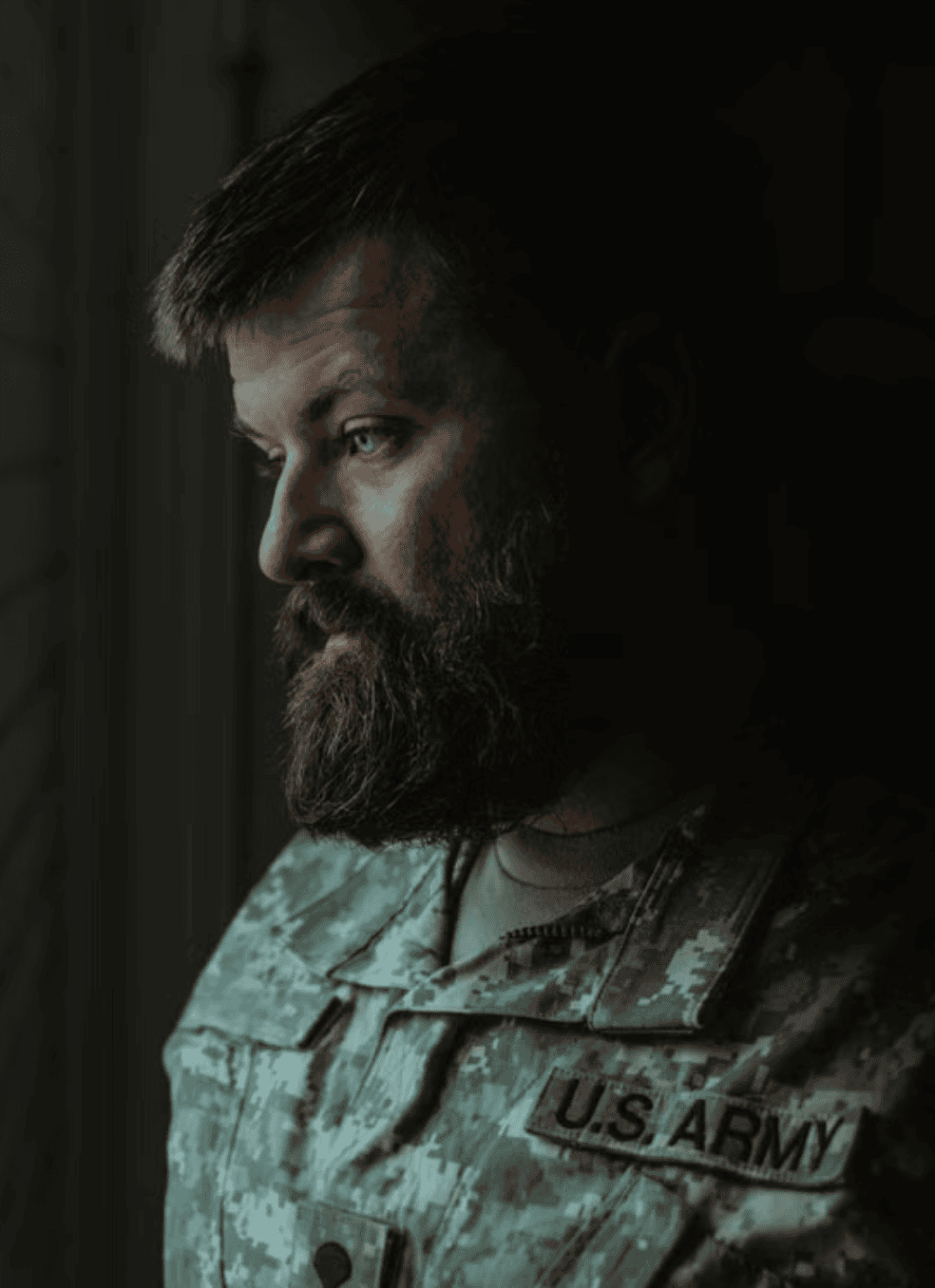
    SuPR™ training is for C-suite members, team leaders, clinicians, therapists, first responders, military service members, and others who work under sustained pressure and want to change their reactivity, relational patterns, and feelings about themselves at the root.

    No.

    Subcognitive Prediction Recalibration™ training is not meant to make you less alert or less driven. Many clients find their focus sharpens, especially under stressful conditions. The training is designed to change the predictions that set off automatic reactions, so you stay steady and clear-headed when the stakes are high and can rest and relax when they aren't.

    Your inquiry starts a call or video meeting with you and anyone considering the training with you, such as a partner, family members, or colleagues.

    Meeting together lets everyone hear the same overview and ask shared questions. Individual follow-up calls then establish each person's interest, motivation, and suitability. When you are ready to proceed, you receive a consent form, an invoice, and instructions for scheduling your first session.

    BEGIN A CONFIDENTIAL INQUIRY